

Boundaries and Borderlines
"My debut book of poetry, The Cardinals is coming out in September. You can pre-order it now. And I have copies of The Galleys and I can’t believe I can write that – ‘the galleys – here."

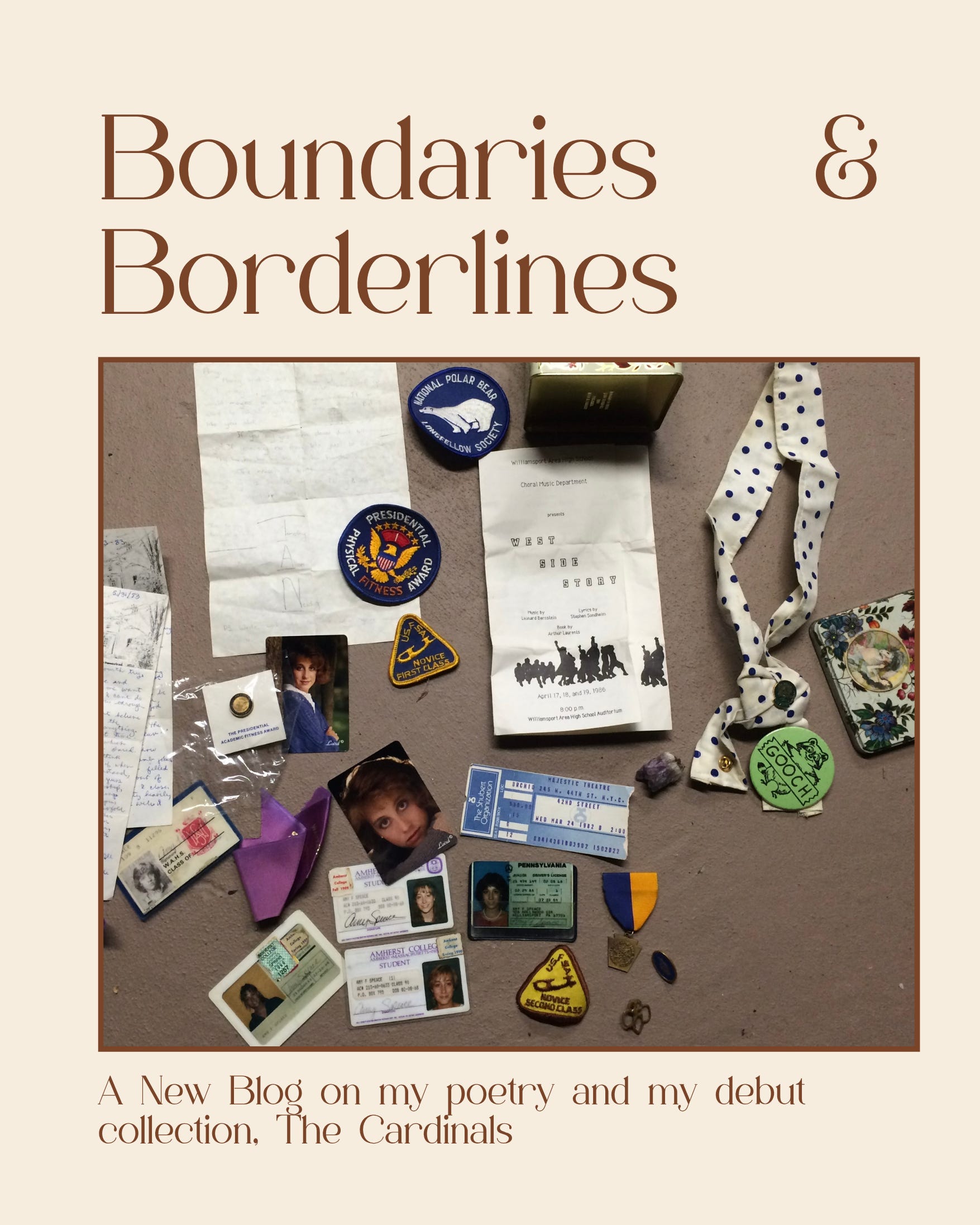
I don’t remember the first poem I wrote as well as I remember the first song. “Boundaries and Borderlines” was my first song. It was all 20 -something angst, brought on by listening to a lot of Tori Amos’ “Little Earthquakes.” You are here. I am there. There’s a – wait for it --- borderline in between us and that is symbolic, of course. I was in a long-distance relationship with a songwriter who had taught me three chords and I used all of them. I think I rhymed “magazine” with “kerosene,” which, come to think of it, is some A-level country writing. It wasn’t good. But I remember writing it and that feeling of finishing it and that I had written a song! Euphoria! Let’s do it again! And again and again and again….
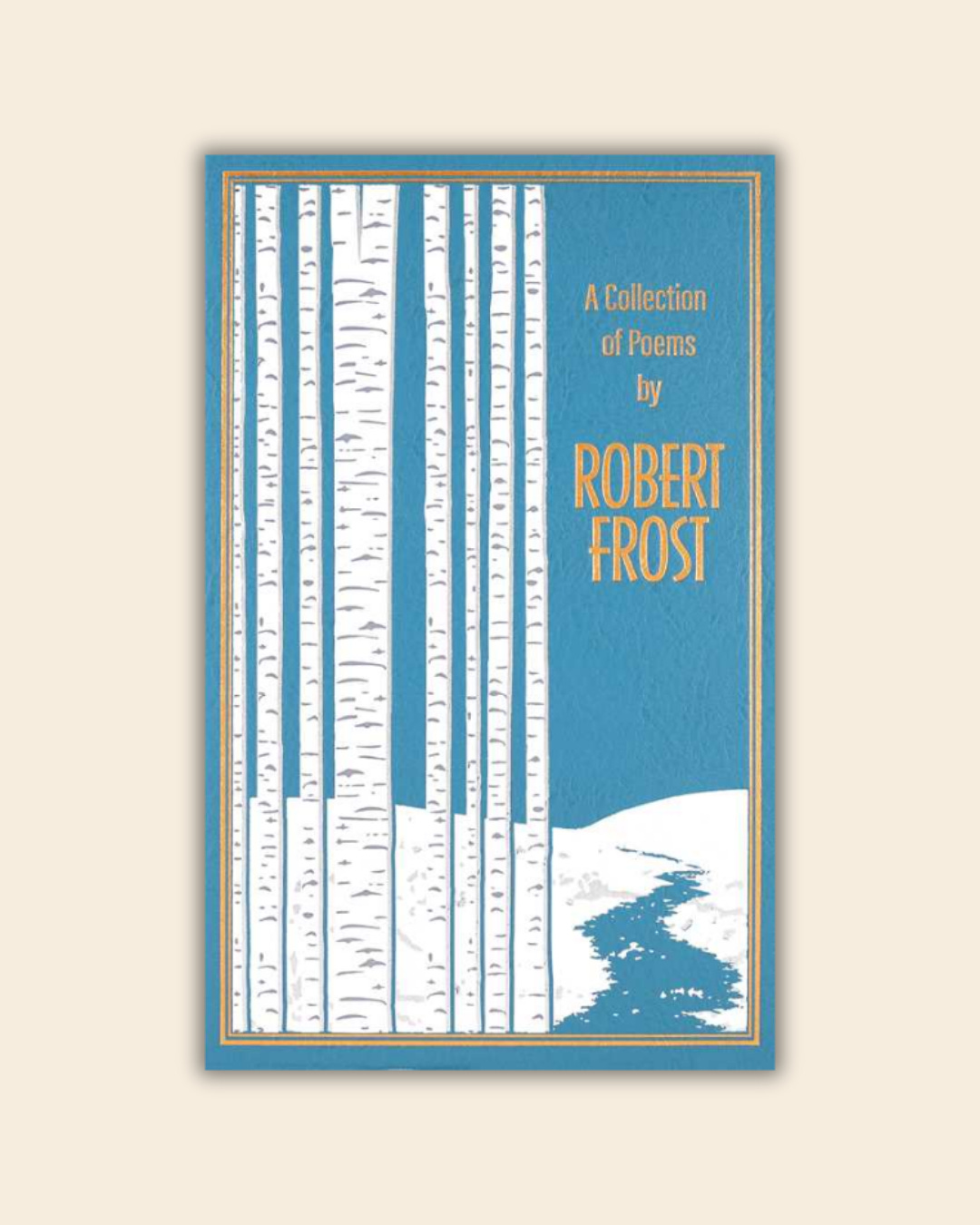
Poetry started for me much younger. My grandmother gave me a copy of Robert Frost’s Collected Works when I was in middle school. I’m pretty sure I chose Amherst College because of Robert Frost (I didn’t discover Emily Dickinson until later). I loved those poems. To this day, “Birches” is still one of my all-time favorite poems. One could do worse than be a swinger of birches. I still cry reading it out loud.
I do remember the first published poem of mine, or I remember the title, the idea, and the student drawing that went with it on the pages of my high school literary magazine “The Cherry and White.” The poem was called “The Wall” and it was, yes, about a metaphoric wall. The dislocation of a 16 year old upper middle class white privileged kid who felt completely out of place in the middle of Pennsylvania, who didn’t understand girl group social cues, who was most definitely an artist searching for her field, who wasn’t pretty. She was conformist enough to want to be popular but was too well liked and not eccentric enough to be in the arty gang. So, I wrote bad high school poetry about it and starred in the high school musicals and got good grades so I could get my ass to a New England preppy Ivy-adjacent college where I would find myself and my people.
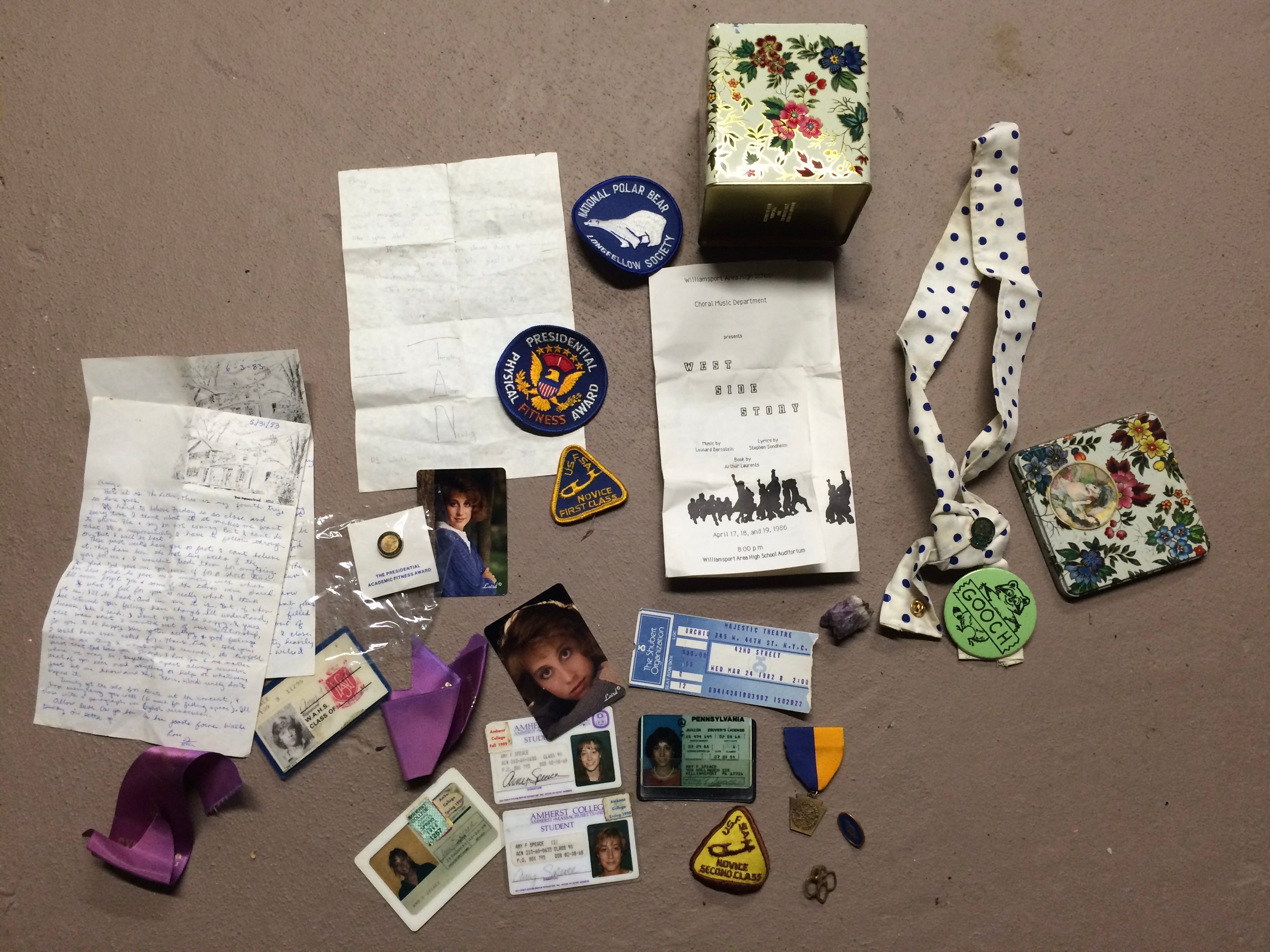
Looking back, there were two people I went to high school with who were my people. Both were smarter than their years, a bit eccentric, great readers and writers and very, very fun. Steve Landale and David Giglio. I watched “Stop Making Sense” and “Quadrophenia” at Steve’s house while we got stoned and would go hiking to the top of a hill up near where he lived where there was one of those large white crosses and we’d sit there and sneak cans of beer and talk about high philosophical matters. David Giglio, a year older, saw my poems and gently guided me to reading poetry. He was too kind to say “um, these are bad…so read some great ones and learn form.” He was brilliant. I haven’t seen either since high school.
They were my people. I wish I knew it back then.
I stopped writing poetry in college. I’m not sure why. I didn’t even take a poetry class, which I regret. I studied playwriting and James Joyce and Shakespeare Critical Theory and Derrida and Foucault (great party talk at post-college parties). I could pepper my post-feminist post-college cocktail conversation with the word “trope” and everyone would nod, knowingly, even though I wasn’t really saying anything but regurgitating some trope from Andrea Dworkin, with whom later I’d come to realize I entirely disagreed. I also pretended to like experimental dance theater, but that’s another story for another time.
I followed my heart to the theater and moved to NYC to be an actress and while in a 2 year training program at The National Shakespeare Conservatory, I picked up the guitar and that song about missing my boyfriend spilled out along with 10 others and Kenny Gorka at The Bitter End gave me a gig and a few years later Judy Collins heard me and here I am 20 some years later.
Not surprisingly, my lyrics have a poetic slant. Lyrics are not poetry (ask me and I’ll bend your ear about it), but they can borrow poetic devices and songwriting and poetry are cousins. I did write a few poems over the years. I never shared them. It was a hidden desire to ‘be a poet.’ But really, who wants to BE a poet? That sounded really arrogant and foolish. It’s not really a job (then again, is Folk Singer? I mean, really?).
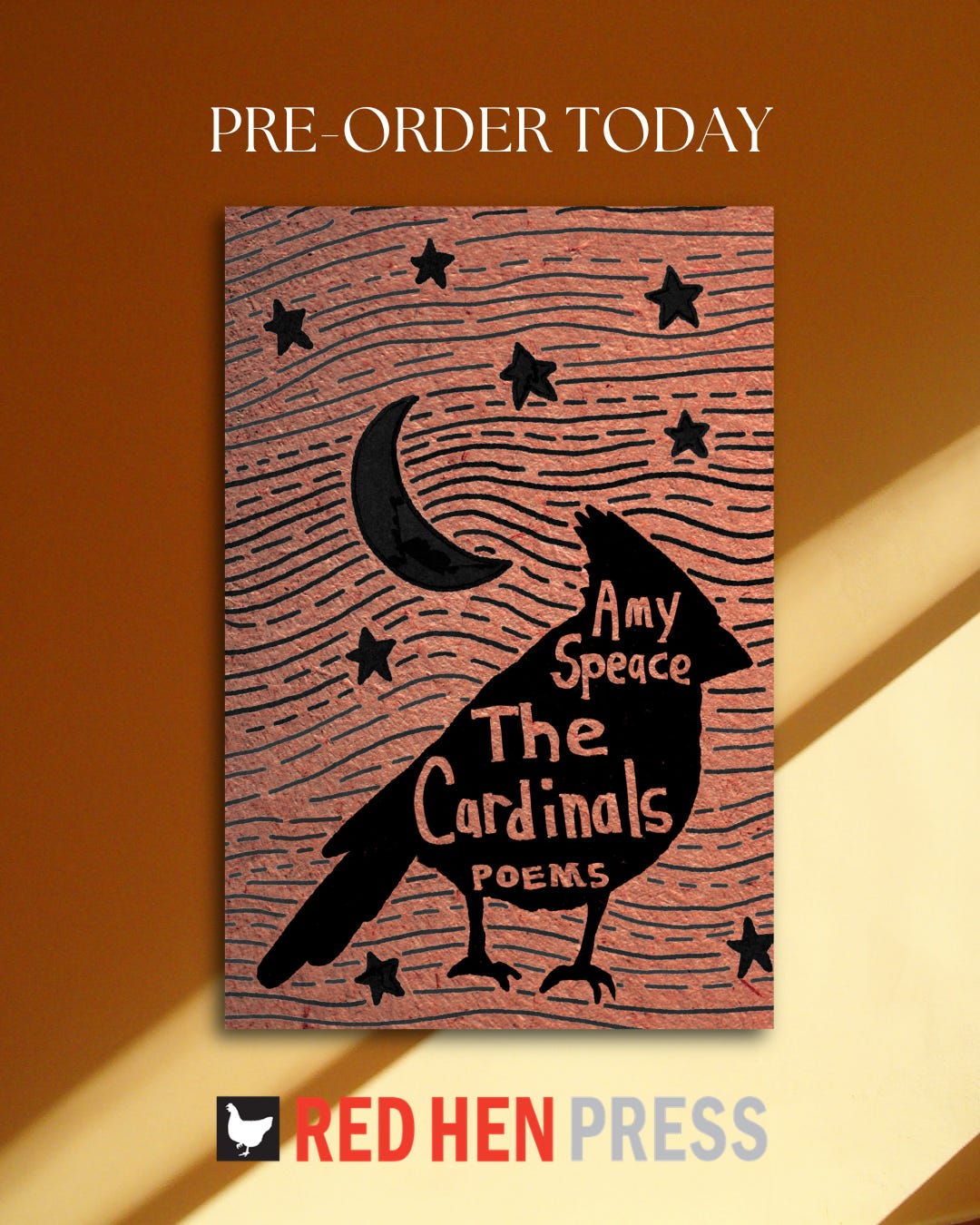
My debut book of poetry, The Cardinals is coming out in September. You can pre-order it now. And I have copies of The Galleys and I can’t believe I can write that – ‘the galleys – here.
The first time I ever heard one of my songs on the radio, I was driving through Michigan on tour and had the local NPR station on. I remember thinking “man this song sounds familiar – who is this?” and started singing along before I realized it was me. I started crying. I’ve heard myself many times since and it always does that to me. That’s how I felt when I held my book in my hand.
Someone else liked my work enough to invest money in publishing it and now it’s for sale and people can buy it. MY POETRY. It all started with that journal my Godmother bought me for my First Communion when I was 7. Red padded cover (man, I’m gonna guess there’s a bird on there and that may have been a cardinal and holy shit I just realized this and again God shows up in these really amazing ways…). Gold-flecked edges. The pages were lined and dated by days of the year. I remember writing about Hannah my 1st grade friend who was Jewish and celebrated Hannukah and I wrote that exact sentence and I also wrote about her lighting a menorah and playing “draydal.” I wrote every day. I have every single journal I ever kept. Except my 7th grade journal that later, in high school I re-read and hated that 7th grade girl and burnt the journal so that nobody could ever read it. I could slap that high schooler. I would do anything to have that journal back.
I can’t remember a time when I wasn’t a writer.
I was just describing my music career to someone this morning. That I’m like a starter on the Farm Team. And I’m really grateful for that. I never (or haven’t yet) got to the Big Show. However, the Farm Team is a really amazing place to play ball. I think I wanted to be a rock star when I started. I think. I’m not sure. Maybe I just wanted the ride. Maybe I just wanted to see where it went if I walked through that door that was open. I know I didn’t really have a life plan. I just kept walking through open doors. I’ve gotten Big Show Adjancent. I played The Ryman. I have sung at The Opry. I’m in a hotel right now in Charleston, WV writing this because I’ll be playing “Mountain Stage” tonight for the 7th time. I’ve played Glastonbury and Kerrville Folk Festival. I’ve had a song recorded by Judy Collins. I mean, I’m blessed. Even if I’m not a ‘rock star’ or famous. I’m a starter on the AAA team. I love my life. I wish the pay was a little better and it’s disappointing that for some games, folks don’t come out, but some games are packed.


That’s going to be the same for me as a poet. Trying to get people to come out to a bookstore reading. But I’m used to it. I’m a late bloomer in the publishing world. But then again, all my favorite writers hit their peak in their greying years. As a songwriter, I’m just hitting my A game. I’m a new poet. I’m still learning. But I love this book I wrote. “The Wall” isn’t there (you’re welcome). But “To The Wishing” is and I wrote that for my niece Alexine when she was 5 and she’s in her mid 20’s now.
I hope you pre-order the book. I’d like to be a New York Times Bestseller. I mean, why not just say it, right? What’s the harm in wishing it out loud? If you’re reading this, take a minute and order the book through the links here.
And then look for my tour and come to a show and I’ll sign it for you. The world is a crazy place right now full of disconnect. Right now some angsty 16-year-old feels like God abandoned them and feels like nobody really gets them maybe they’re listening to some song that makes them feel seen and understood and they’re writing shitty poetry. It’s really important for art to be here to be the net that holds us together and keeps us feeling like we’re not alone when the world is on fire. That we see each other’s pain and lonely. That we feel it too. That we all nod “yeah, I’ve been there.” That’s what poetry and song (and film and dance and sculpture and maybe even AAA baseball) do. Yeah. Maybe even experimental Dance Theater and post-feminist theory, too.
And I promise if I find a recording of “Borderlines” and the old scribbling of “The Wall” I’ll share it. I’m 58. I’m really out of F’s to give. Uncool is where it’s at for me. Angst was a necessary luxury for that kid to find herself. I don’t have time for it anymore. I’d rather walk through the world like I always have, looking for open doors. I stopped banging my head on the ones that are closed a long time ago. It’s just exhausting and my shoulder aches anyway from tendonitis or menopause or holding a baby when I was 50.
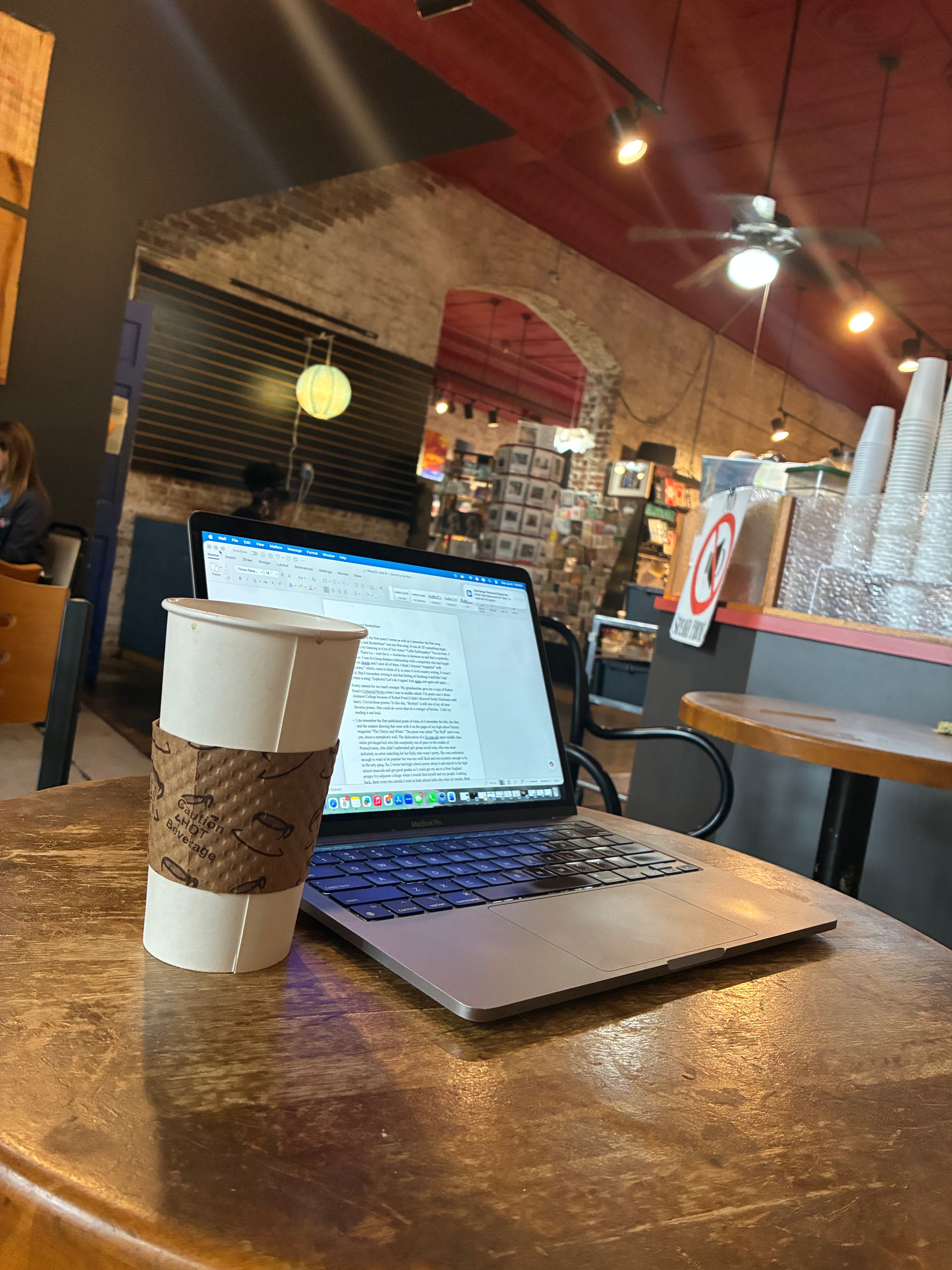
I finish this blog from Taylor Books in Charleston, WV that has a great café and a great selection of books and I’m glad I found it. Go to your local indie. Buy books from them even though it’s cheaper and easier on Amazon. Borderlines are a made up thing. We can kick them down with words and songs, right?
Amy Speace is an award-winning Americana folk singer and songwriter discovered by Judy Collins. Her songs have been recorded by Ms. Collins and many others and she has won International Song of the Year from the Americana Music Association (UK). Her writing has been published in The New York Times, The Guardian, Working Mother, and Salon.com. She received her MFA from Spalding University and teaches English at Cumberland University. She resides in Nashville, Tennessee, with her son, Huckleberry, and her dog, Dusty Springfield. The Cardinals, coming Sept 1st with Red Hen Press , is her debut poetry collection.